
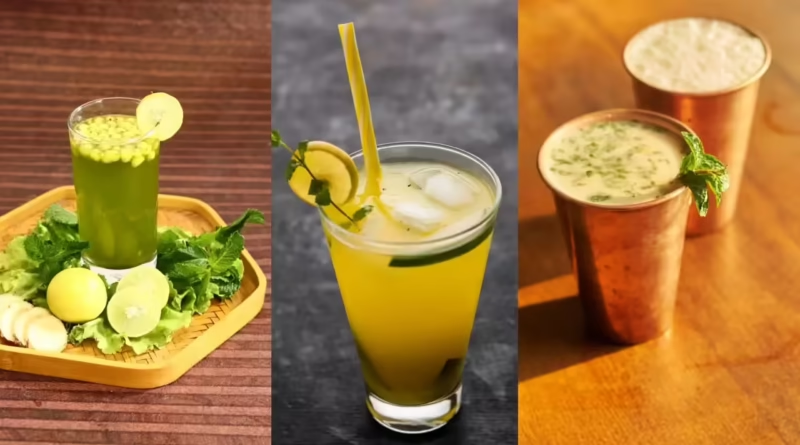
Indian Summer Drinks to Beat the Heat: 15 Traditional Coolers You Need to Try
Indian Summer Drinks to Beat the Heat have been a cornerstone of the subcontinent’s food culture for thousands of years. Long before refrigerators existed, Indian households depended on naturally cooling beverages made from seasonal fruits, healing spices, and fermented ingredients to survive the relentless summer months. Today, as temperatures across India routinely cross 40°C (104°F) during May and June, these traditional drinks are more relevant than ever and far more effective than any carbonated soft drink you’ll find at a convenience store.
From the tangy green zing of Aam Panna to the creamy cool of Mango Lassi, India’s culinary heritage offers a refreshing summer drink for every taste, every region, and every kind of heat. Whether you’re sipping by a poolside in Mumbai or trying to cool down in the middle of a Delhi afternoon, these traditional Indian beverages are your best companions for summer hydration.
Why Hydration Matters More Than You Think in Indian Summers

Before diving into the drinks themselves, it’s worth understanding what your body goes through during peak Indian summer. Dehydration is not just about thirst it causes headaches, fatigue, muscle cramps, and in extreme cases, heat stroke.
Here’s what happens to your body in summer heat:
| Body Response | Effect |
| Increased sweating | Loss of water and electrolytes (sodium, potassium) |
| Elevated body temperature | Risk of heat exhaustion or heat stroke |
| Reduced blood volume | Lower energy, dizziness, poor concentration |
| Digestive slowdown | Bloating, indigestion, nausea |
The good news? Traditional Indian summer coolers are specifically designed to address all of these issues. They replenish electrolytes, cool the body from within, aid digestion, and boost immunity all at the same time.
“Every region in India has its own unique version of a summer drink, perfected over generations to keep the heat at bay.” A truth echoed across Indian households from Punjab to Kerala.
The Science Behind Indian Summer Cooling Drinks
What makes Indian summer drinks so effective is Ayurvedic wisdom combined with simple food science. Ingredients like raw mango, kokum, tamarind, and yogurt have natural cooling properties that lower body temperature. Spices like cumin, cardamom, and black pepper stimulate digestion that tends to slow in the heat. Black salt (kala namak) provides sodium and potassium chloride the exact electrolytes your body loses through sweat.
These aren’t just traditional remedies. Modern nutritionists confirm that natural drinks rich in Vitamin C, antioxidants, probiotics, and minerals outperform commercial sports drinks for everyday hydration.
Top 15 Indian Summer Drinks to Beat the Heat
Aam Panna The King of Indian Summer Drinks
If there’s one drink that defines Indian summer, it’s Aam Panna. Made from raw green mangoes (kairi), this spiced mango pulp drink is beloved across North and Western India, particularly in Maharashtra, Gujarat, and Bengal where raw mangoes are abundant.
Key Ingredients:
- Raw green mangoes (kairi)
- Jaggery or sugar
- Roasted cumin powder
- Black salt (kala namak)
- Fresh mint leaves
- Cardamom
Why it works: Raw mango is packed with Vitamin C and potassium, replenishing exactly what sweat takes away. The black salt restores electrolyte balance, while cumin promotes digestion. Together, they create a powerhouse summer cooler with natural heat-resisting properties.
Taste Profile: Sweet, sour, and slightly spicy a perfectly balanced flavor that feels like summer in a glass.
Nimbu Pani (Shikanji) India’s Original Lemonade
Nimbu Pani is the most universally loved Indian summer drink, found everywhere from roadside stalls in Jaipur to five-star hotel menus in Delhi. It’s simple, effective, and endlessly customizable.
The basic recipe is just fresh lemon juice, water, sugar, and a pinch of salt. But the Shikanji version popular in North India adds roasted cumin, black salt, and sometimes ginger and mint, making it a genuinely functional hydration drink.
Quick Nimbu Pani Recipe:
| Ingredient | Amount |
| Fresh lemon juice | 4–6 lemons |
| Water | 4–6 cups |
| Sugar or honey | ¾ to 1 cup |
| Black salt | Pinch |
| Roasted cumin powder | ½ tsp |
| Mint leaves | Handful |
Chill for at least 2 hours before serving, or serve over crushed ice for maximum refreshment.
Chaas (Spiced Buttermilk) The Probiotic Powerhouse
Chaas, known as buttermilk or Neer Mor in South India, is one of the most nutritionally dense traditional Indian summer drinks. It’s made by diluting yogurt with water and seasoning with curry leaves, mustard seeds, ginger, and green chili.
Unlike thick lassi, Chaas is light and watery, making it easy to drink in large quantities exactly what you need when the heat is making your appetite vanish. It’s a staple across India, from the Gujarati roadside to the traditional South Indian meal (thali).
Health Benefits:
- Rich in probiotics that support gut health
- Cools inflammation in the digestive tract
- Excellent source of calcium and Vitamin B12
- Helps regulate body temperature naturally
Lassi Creamy, Cooling Yogurt Bliss
Lassi is arguably the most internationally recognized Indian summer beverage. Originally a traditional Punjabi drink, it has two main forms sweet lassi (sweetened yogurt blended with cardamom) and salted lassi (savory, with black salt and cumin).
Popular variations include:
- Mango Lassi blended with ripe mangoes and cardamom; creamy, indulgent, and cooling
- Strawberry Lassi a refreshing fruit-forward variation
- Rose Lassi scented with rose water and topped with pistachios
- Bhang Lassi a traditional festive drink associated with Holi in Rajasthan
Fun Fact: Mango Lassi has become one of the most ordered drinks in Indian restaurants worldwide, consistently ranked among the top 3 Indian beverages internationally.
Jaljeera The Spicy Digestive Cooler
The name says it all: Jal (water) + Jeera (cumin) = cumin water. But Jaljeera is far more complex than that simple translation suggests. This tangy, spiced drink is loaded with roasted cumin, mint, tamarind, black salt, ginger, and lemon juice, and it’s one of the most popular summer drinks across Northern India.
Why Jaljeera is special:
- Acts as an appetite stimulant perfect when summer heat kills your hunger
- Rich in antioxidants that flush toxins
- The cumin eases bloating and improves nutrient absorption
- Mint provides a cooling, refreshing sensation from the first sip
Jaljeera is best served chilled or over ice, and is often sold by street vendors during the hottest months. You can also find ready-to-mix Jaljeera powder at most Indian grocery stores.
Sugarcane Juice (Ganne ka Ras) Nature’s Energy Drink
Nothing feels more quintessentially Indian summer than stopping at a roadside sugarcane juice stall. The vendor feeds stalks through a mechanical press, and out flows a pale green, naturally sweet juice that is an instant energy booster.
Nutritional Profile of Sugarcane Juice (per 240ml):
| Nutrient | Amount |
| Calories | ~180 kcal |
| Natural sugars | ~30g |
| Potassium | ~400mg |
| Calcium | ~40mg |
| Iron | ~1.1mg |
| Antioxidants (phenols) | High |
It’s naturally sweetened, provides potassium and magnesium to replace sweat losses, and has powerful antioxidants. Add a squeeze of lime and a pinch of ginger for an extra kick.
Thandai The Festive Cooling Milk Drink
Thandai is a rich, spiced milk drink rooted in Ayurvedic tradition, originally from North Indian states like Uttar Pradesh, Rajasthan, and Punjab. While it’s most associated with Holi, it’s equally popular as a summer cooler throughout the season.
Made with chilled milk, a blend of nuts (almonds, cashews, pistachios), seeds (fennel, poppy), and aromatic spices (rose petals, cardamom, pepper, saffron), Thandai is cooling both in its Ayurvedic properties and its creamy, cold temperature.
Thandai is classified as “sheetal” (cooling) in Ayurveda, making it ideal for Pitta-dominant constitutions that tend to overheat.
Kokum Sherbet The Coastal Cooler
If you’ve traveled to Goa, Maharashtra, or the Konkan coast, you’ve likely encountered Kokum Sherbet. Made from the dried rinds of the kokum fruit (Garcinia indica), this deep purple-red drink is tartly refreshing and incredibly effective at reducing body heat.
Kokum contains:
- Hydroxycitric acid (HCA) known for its appetite-regulating properties
- Antioxidants that combat oxidative stress caused by heat
- Anti-inflammatory compounds that soothe the digestive tract
It’s often served at the start of a meal in coastal Maharashtra, not just as a drink but as a digestive aid. Mixed with coconut milk and spices, it becomes Sol Kadhi a beloved Maharashtrian specialty.
Bel Sherbet (Wood Apple Drink) The Ancient Summer Staple
Bel (wood apple) has been used in Ayurvedic medicine for over 3,000 years and is considered sacred in Hindu tradition. As a summer drink, bel sherbet is made by scooping out the fibrous flesh of the wood apple, blending it with water, sugar, and a touch of cardamom.
Its natural sweetness combined with a slightly tangy, earthy flavor makes it unique among Indian summer coolers. Bel is exceptionally high in Vitamin C and has potent antibacterial and antifungal properties an added bonus when summer infections are common.
Sattu Drink The Protein-Packed Summer Cooler
Sattu is roasted chickpea flour, and the Sattu drink is one of the most underrated Indian summer beverages. Popular in Bihar, Jharkhand, and Uttar Pradesh, it has been a staple of farming communities for centuries.
Sattu is dissolved in water with lemon juice, salt, and sometimes roasted cumin, creating a thick, slightly earthy beverage that is both cooling and incredibly filling.
Why Sattu stands out:
- High in protein, iron, magnesium, and manganese
- Classified as a cooling food in Ayurveda helps prevent overheating
- Keeps you full for hours perfect for skipping heavy summer meals
- Dates back over 5,000 years in Indian food culture
Rose Sharbat (Gulab Sharbat) The Fragrant Cooler
Rose Sharbat is a delicate, floral drink made from rose syrup (rooh afza or homemade rose concentrate) diluted in cold water or milk, with a pinch of cardamom. It’s one of the most beloved summer sharbat drinks across India.
Beyond its gorgeous pink color and intoxicating fragrance, rose petals have anti-inflammatory and cooling properties that make this more than just a pretty drink. It’s often served at Indian weddings, Eid celebrations, and summer gatherings.
Kanji The Fermented Summer Probiotic

Kanji is a fermented drink made from black carrots, beets, mustard seeds, and water, left to ferment for 2–3 days. It has a striking deep magenta-red color and a tangy, slightly fizzy flavor from the natural fermentation process.
As a fermented beverage, Kanji is rich in probiotics that support gut health, and its vibrant color signals a high concentration of anthocyanins powerful antioxidants that protect cells from heat-related oxidative stress. Popular in Rajasthan and Punjab during the Holi season, it’s a year-round summer option worth making at home.
Panakam The Temple Drink of South India
Panakam (or Panagam) is a traditional South Indian summer drink made with jaggery, cardamom, dry ginger, pepper, and cold water, often with a squeeze of lemon. It’s a sacred drink offered in temples, particularly during Ram Navami (celebrated in April), and is considered highly cooling in the Ayurvedic tradition.
Simple to make and deeply nutritious, Panakam is experiencing a revival among health-conscious Indians who recognize its value as a natural electrolyte drink.
Nannari Sarbath South India’s Cooling Root Drink
Nannari Sarbath is made from the roots of the Indian sarsaparilla plant (Hemidesmus indicus), which has been used in Ayurvedic medicine for its remarkable cooling and detoxifying properties. Popular in Tamil Nadu and Kerala, it has a sweet, woody, slightly earthy flavor that is unlike anything else in the Indian drinks repertoire.
It’s considered one of the best natural remedies for heat rash, body heat, and urinary tract issues that commonly increase during Indian summers.
Coconut Water (Nariyal Pani) The Ultimate Rehydration Drink
No list of Indian summer drinks is complete without coconut water. Found everywhere from Kerala beach shacks to Mumbai street corners, fresh coconut water (nariyal pani) is nature’s perfect electrolyte drink.
Why coconut water wins:
- Contains 5 essential electrolytes: sodium, potassium, calcium, magnesium, phosphorus
- Low in calories (~45 kcal per cup) with no added sugar
- High in potassium (more than a banana per serving)
- Naturally sterile and safe for all ages including children
It’s the ideal rehydration drink for post-exercise recovery, fever recovery, or simply surviving a 45°C afternoon in Rajasthan.
Regional Indian Summer Drinks You Shouldn’t Miss
One of the most fascinating things about India’s summer drink culture is its regional diversity. Each state has its own specialty:
| Region | Traditional Drink | Key Ingredients |
| North India (Punjab, UP) | Lassi, Thandai, Jaljeera | Yogurt, nuts, cumin |
| South India (Tamil Nadu, Karnataka) | Nannari Sarbath, Neer Mor, Panakam | Sarsaparilla, buttermilk, jaggery |
| West India (Maharashtra, Goa) | Kokum Sherbet, Sol Kadhi | Kokum, coconut milk |
| East India (Bihar, Jharkhand) | Sattu Drink | Roasted chickpea flour |
| Rajasthan | Kanji, Imli ka Amlana | Tamarind, mustard seeds |
| Gujarat | Chaas, Aam Panna | Yogurt, raw mango |
Ayurvedic Perspective on Indian Summer Cooling Drinks
Ayurveda, India’s 5,000-year-old system of medicine, classifies summer as the Pitta season dominated by the fire element. To balance excess heat in the body, Ayurveda recommends foods and drinks that are:
- Sweet (madhura) like coconut water, rose sharbat
- Bitter (tikta) like neem-infused water
- Astringent (kashaya) like kokum, bel sherbet
This is why so many traditional Indian summer drinks are effective: they were specifically designed by Ayurvedic physicians to counter seasonal heat imbalances. The cooling effects aren’t folklore they’re a sophisticated dietary science refined over millennia.
How to Make Traditional Indian Summer Drinks at Home: Quick Tips
Making these drinks at home is easier than you think. Here are some universal tips:
For the best results:
- Always use fresh, seasonal ingredients raw mangoes in peak season taste completely different from stored ones
- Black salt (kala namak) is non-negotiable for authentic flavor and electrolyte content
- Use jaggery instead of refined sugar wherever possible it has a lower glycemic index and contains minerals
- Prepare larger batches and store in the refrigerator for up to 3 days (except fermented drinks like Kanji, which improve with time)
- Add fresh mint leaves just before serving never blend them in advance, as they lose their cooling volatile oils quickly
A Case Study: How Aam Panna Helped a Community During a Heatwave
During the severe 2015 Indian heatwave which caused over 2,500 deaths across Andhra Pradesh and Telangana community health workers in rural Maharashtra distributed homemade Aam Panna and Chaas as emergency rehydration solutions alongside medical ORS packets. Community leaders reported that villages where traditional coolers were consistently consumed showed lower rates of heat-related illness. This anecdote underscores what nutritionists have confirmed: the combination of natural sugars, electrolytes, and probiotics in traditional Indian summer drinks offers genuine physiological protection against heat stress.
Health Benefits Summary: Traditional Indian Summer Drinks
| Benefit | Best Drinks |
| Electrolyte replenishment | Nimbu Pani, Coconut Water, Jaljeera |
| Probiotic boost | Chaas, Lassi, Kanji |
| Cooling body temperature | Aam Panna, Thandai, Nannari Sarbath |
| Digestion support | Jaljeera, Chaas, Bel Sherbet |
| Energy boost | Sugarcane Juice, Sattu Drink |
| Immune support | Kokum Sherbet, Bel Sherbet |
| Detoxification | Kanji, Nannari Sarbath |
Frequently Asked Questions
Q: Which Indian summer drink is best for heat stroke prevention?
Coconut water and Aam Panna are among the most effective for preventing heat stroke, as they replenish electrolytes rapidly and contain cooling compounds that lower body temperature from within.
Q: Are traditional Indian summer drinks better than commercial sports drinks?
For everyday hydration, yes. Traditional drinks like Chaas, Jaljeera, and Nimbu Pani contain natural electrolytes, probiotics, vitamins, and antioxidants that most commercial sports drinks lack, with no artificial colors or preservatives.
Q: Which Indian summer drink is best for digestion?
Jaljeera and Chaas are specifically known for their digestive properties. Jaljeera’s cumin and tamarind stimulate digestive enzymes, while Chaas contains probiotics that support gut flora.
Q: Can children drink these traditional Indian summer coolers?
Yes coconut water, rose sharbat, nimbu pani, and diluted Aam Panna are all safe and delicious for children. Avoid Thandai with bhang, and limit spice levels in Jaljeera for younger kids.
Q: What are the best Indian summer drinks to make in bulk?
Aam Panna concentrate, rose sharbat syrup, and kokum concentrate can all be made in large batches and stored refrigerated for weeks, to be diluted as needed.
Conclusion

The traditional Indian summer drinks listed here are far more than refreshing beverages. They are living expressions of a culture that has understood human biology, seasonal nutrition, and the healing power of natural ingredients for thousands of years. From the probiotic richness of Kanji to the electrolyte magic of Coconut Water, from the Ayurvedic wisdom of Panakam to the street-food joy of Jaljeera, every sip connects you to something deeper than just thirst-quenching.
This summer, instead of reaching for a cold soft drink, try making one of these Indian summer drinks to beat the heat at home. Your body will thank you, your taste buds will celebrate, and you’ll discover why these beverages have survived and thrived for millennia across one of the hottest countries on earth.
Stay cool, stay hydrated, and sip smart. India’s culinary wisdom has you covered.
If you want to read more about other topics, then go to the main page of hometechfacts.com.